pregnancy
Health Guide

Pregnancy Health

Pregnancy is a critical period that requires proper medical care, balanced nutrition, and healthy lifestyle choices to support the health of both the mother and the developing baby.

Key Points

1

Schedule regular prenatal checkups starting early in pregnancy.

2

Take prenatal vitamins containing folic acid daily.

3

Maintain a balanced diet rich in nutrients.

4

Stay hydrated and get adequate rest.

5

Monitor healthy weight gain during pregnancy.

Health Tips

  • Avoid alcohol, smoking, and recreational drugs
  • Limit caffeine intake during pregnancy
  • Exercise moderately with doctor approval
  • Manage stress through relaxation techniques
  • Consult a doctor if unusual symptoms appear

Medical information based on guidelines from ,

WHO

,and,

CDC
elderly care
Health Guide

Elderly & Senior Care

Healthy aging requires comprehensive care focused on maintaining independence, preventing chronic diseases, and improving quality of life for older adults through proper medical care, nutrition, and physical activity.

Key Points

1

Schedule regular health screenings and manage medications properly.

2

Prevent falls by improving home safety and maintaining balance exercises.

3

Monitor cognitive health and memory changes with regular checkups.

4

Encourage social interaction to reduce isolation and support mental health.

5

Follow a balanced diet rich in nutrients appropriate for aging bodies.

💡 Health Tips

  • Stay physically active with safe exercises like walking or stretching.
  • Perform strength and balance exercises to reduce fall risk.
  • Keep an updated list of medications and follow doctor instructions.
  • Schedule regular eye, hearing, and dental checkups.
  • Create a safe home environment with proper lighting and support rails.

📌 Source: World Health Organization (WHO) ,If you want to view the official website -> Who

heart health
Health Guide

Heart Health

Cardiovascular health is essential for overall well-being. According to global health organizations, heart disease remains one of the leading causes of death worldwide, but many risk factors are preventable through healthy lifestyle choices and regular medical care.

Key Points

1

Monitor blood pressure and cholesterol levels regularly.

2

Recognize warning signs such as chest pain, shortness of breath, and fatigue.

3

Understand family history of cardiovascular disease.

4

Control diabetes and maintain a healthy body weight.

5

Manage stress levels and ensure adequate sleep.

💡 Health Tips

  • Engage in at least 150 minutes of moderate physical activity per week.
  • Follow a heart-healthy diet rich in fruits, vegetables, and whole grains.
  • Reduce salt, sugar, and saturated fat intake.
  • Avoid smoking and limit alcohol consumption.
  • Schedule regular medical checkups to monitor heart health.

📌 Source: World Health Organization (WHO), If you want to view the official website -> WHO

Newborn Care
Health Guide

Newborn Care

The first weeks of a newborn's life require special attention to feeding, sleep, and development. WHO recommends early breastfeeding and essential newborn care practices to ensure the best start in life.

1

Initiate breastfeeding within 1 hour of birth and breastfeed exclusively for 6 months.

2

Keep the baby warm — skin-to-skin contact immediately after birth prevents hypothermia.

3

Delayed cord clamping (1–3 min after birth) improves iron stores and reduces anemia risk.

4

Administer Vitamin K injection at birth to prevent hemorrhagic disease of the newborn.

5

Watch for danger signs: poor feeding, fever above 38°C, difficulty breathing, or jaundice.

💡 Health Tips

  • Always place the baby on their back to sleep — reduces SIDS risk.
  • Clean the umbilical cord stump with clean water only.
  • Give BCG, Hepatitis B, and Polio vaccines at birth.
  • Attend postnatal visits at 24h, 48–72h, and one week after birth.
  • Support the baby's head and neck at all times.

📌 Source: World Health Organization (WHO) ,If you want to view the official website ->Who

Blood Pressure Management
Health Guide

Blood Pressure Management

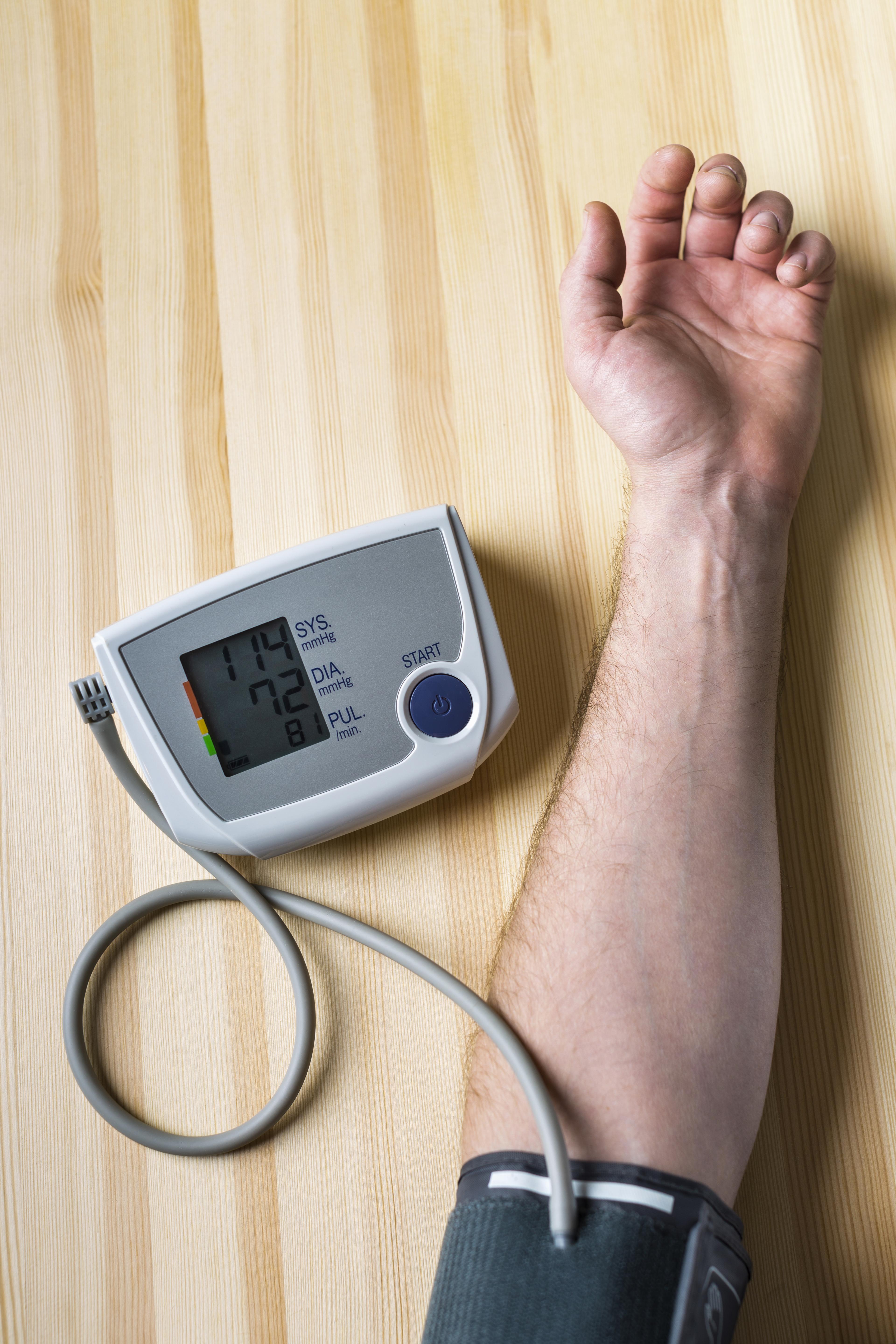
High blood pressure (hypertension) is often called the "silent killer" because it typically has no symptoms but can lead to serious health complications including heart attack, stroke, and kidney failure if left untreated.

1

Normal blood pressure is less than 120/80 mmHg — above 140/90 mmHg is classified as hypertension (WHO).

2

Hypertension affects 1.28 billion adults worldwide aged 30–79 years, yet only 1 in 5 have it under control.

3

Regular monitoring is essential — many people have high blood pressure with no warning signs.

4

Lifestyle changes — reducing salt, exercising, and quitting tobacco — can significantly lower blood pressure.

5

Untreated hypertension is a leading cause of premature death from cardiovascular disease globally.

💡 Health Tips

  • Reduce sodium intake to less than 2,000mg per day (WHO recommendation).
  • Exercise at least 150 minutes of moderate activity per week.
  • Maintain a healthy weight — losing even 5kg can reduce blood pressure.
  • Limit alcohol consumption and avoid tobacco completely.
  • Monitor blood pressure at home regularly and keep a log for your doctor.

📌 Source: World Health Organization (WHO) ,If you want to view the official website -> Who

Diabetes Management
Health Guide

Diabetes Management

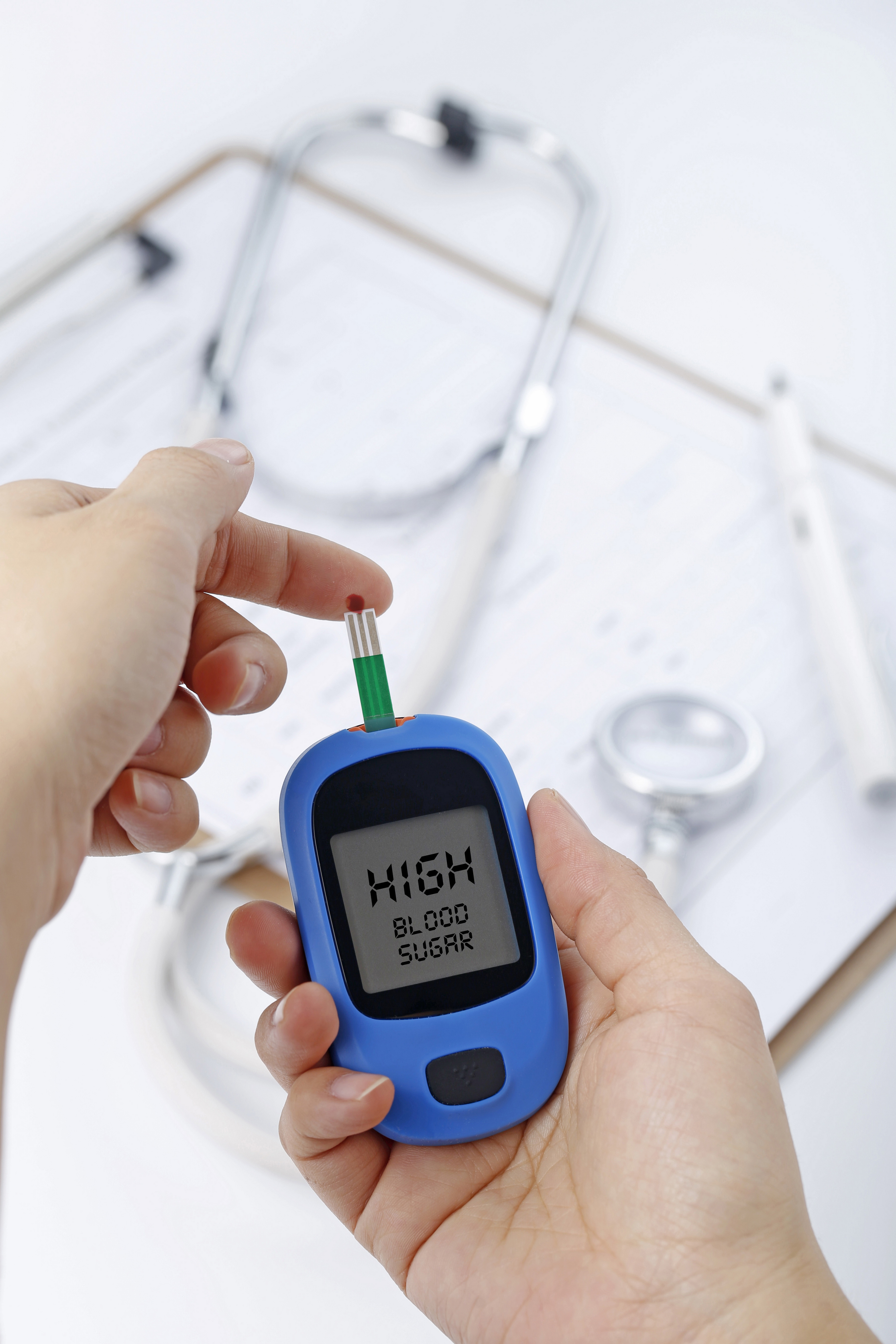
Diabetes is a chronic condition affecting how your body processes blood sugar. WHO estimates 422 million people worldwide have diabetes — proper management is crucial to prevent serious complications like heart disease, blindness, and kidney failure.

1

Type 1 diabetes requires lifelong insulin therapy — the body produces little or no insulin.

2

Type 2 diabetes can often be managed or delayed with healthy diet, physical activity, and weight control (WHO).

3

Regular blood glucose monitoring is essential to keep levels within the target range and prevent complications.

4

Key symptoms include increased thirst, frequent urination, fatigue, and blurred vision — many cases go undiagnosed.

5

Early detection and treatment can prevent or delay complications including heart attack, stroke, and nerve damage.

💡 Health Tips

  • Follow a balanced meal plan — limit sugar and refined carbs, increase fiber intake.
  • Exercise at least 150 minutes per week to improve insulin sensitivity (WHO guideline).
  • Check blood glucose levels regularly as recommended by your healthcare provider.
  • Take medications or insulin exactly as prescribed — never skip doses.
  • Schedule regular checkups including HbA1c, eye, foot, and kidney exams.

📌 Source: World Health Organization (WHO) ,If you want to view the official website -> WHO

Student Health
Health Guide

Student Health

Good health habits directly impact academic performance. WHO recommends proper sleep, nutrition, and mental well-being as essential foundations for student success and concentration.

1

Get 8–10 hours of sleep per night — sleep deprivation reduces cognitive performance by up to 40%.

2

Study in well-ventilated spaces — CO₂ buildup reduces concentration by 15–50% (WHO IAQ Guidelines).

3

Never skip breakfast — students who eat breakfast perform significantly better academically.

4

Drink 1.5–2 liters of water daily — even mild dehydration impairs memory and attention.

5

Take a 5–10 minute break every 45–60 minutes of studying to improve retention.

💡 Health Tips

  • Avoid screens at least 1 hour before bed — blue light disrupts sleep quality.
  • Open windows for 10 minutes every hour to refresh indoor air quality.
  • Limit energy drinks and excessive caffeine — cause anxiety and disrupt sleep.
  • Practice deep breathing or mindfulness for 10 minutes daily to reduce stress.
  • Maintain social connections — isolation increases risk of depression among students.

📌 Source: World Health Organization (WHO) — Global School Health Initiative, 2023